Prioritize design ideas with state-of-the-art models
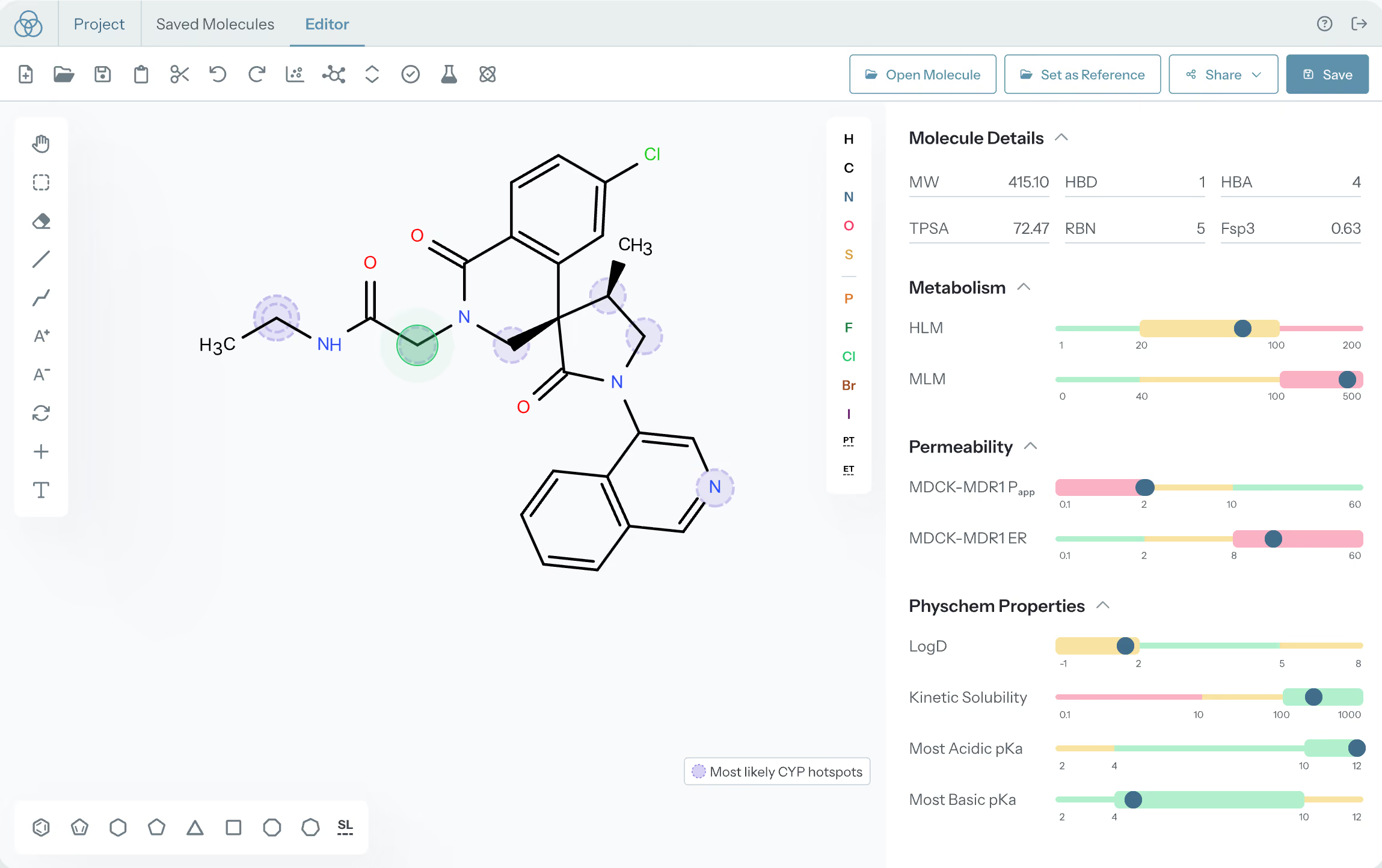
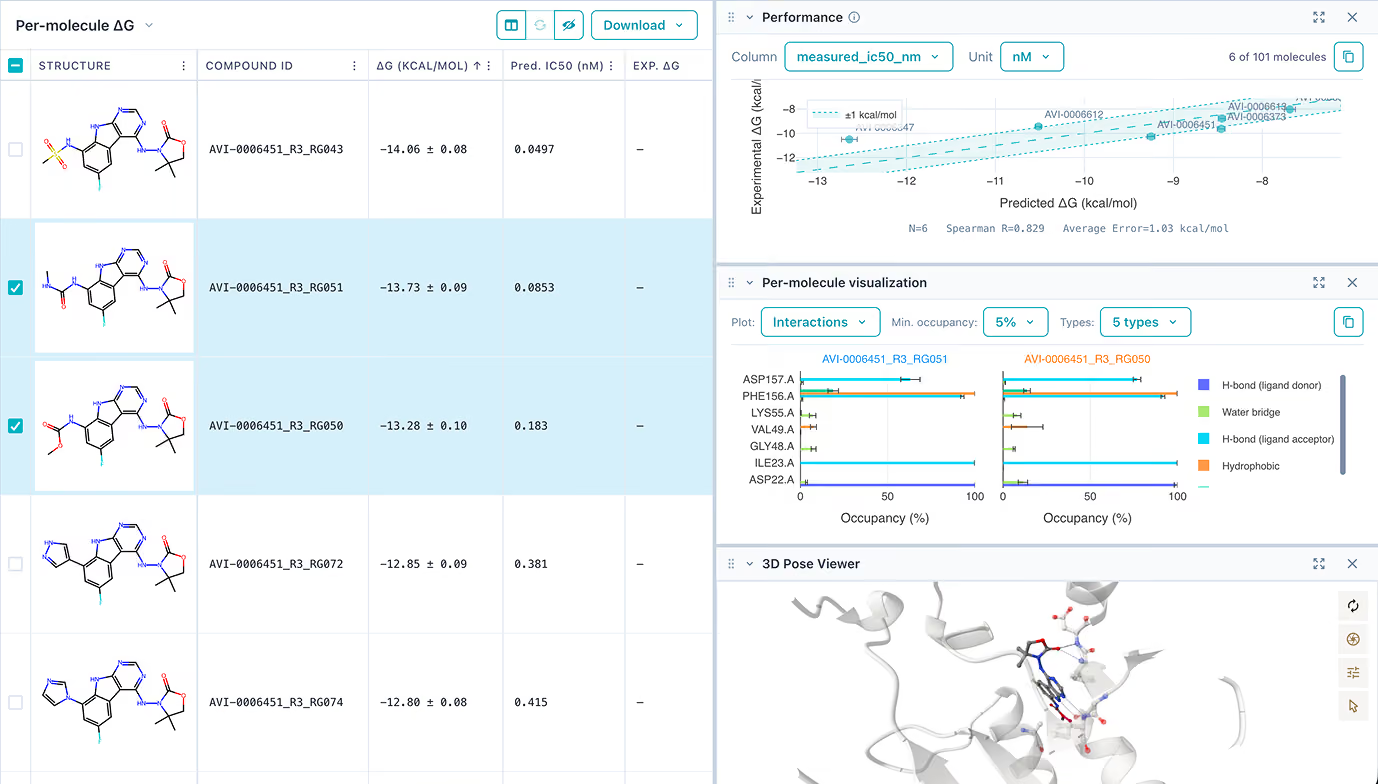
Compass can run your design ideas through ADMET, PK, FEP, and cofolding models to return a projected human dose for each, with its uncertainty. Your team can identify the most promising designs using dose-centric optimization, before investing synthetic resources.
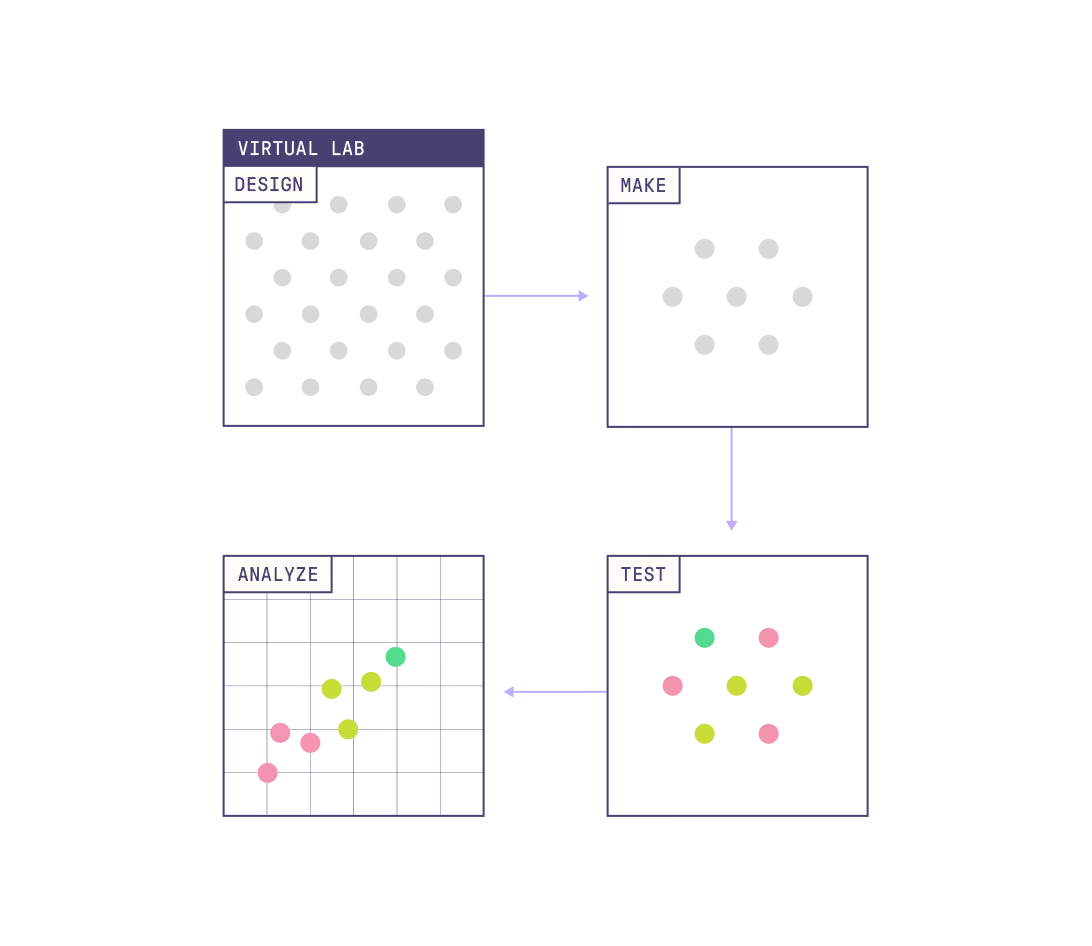
Synthesis is the bottleneck
Small molecule teams seek to design compounds that achieve an efficacious, safe, and developable human dose. Most teams have far more analog ideas than synthetic resources and it is often unintuitive which analog will impact the total balance of properties that drive dose. Prioritizing the right compounds for synthesis is the difference between success and failure.
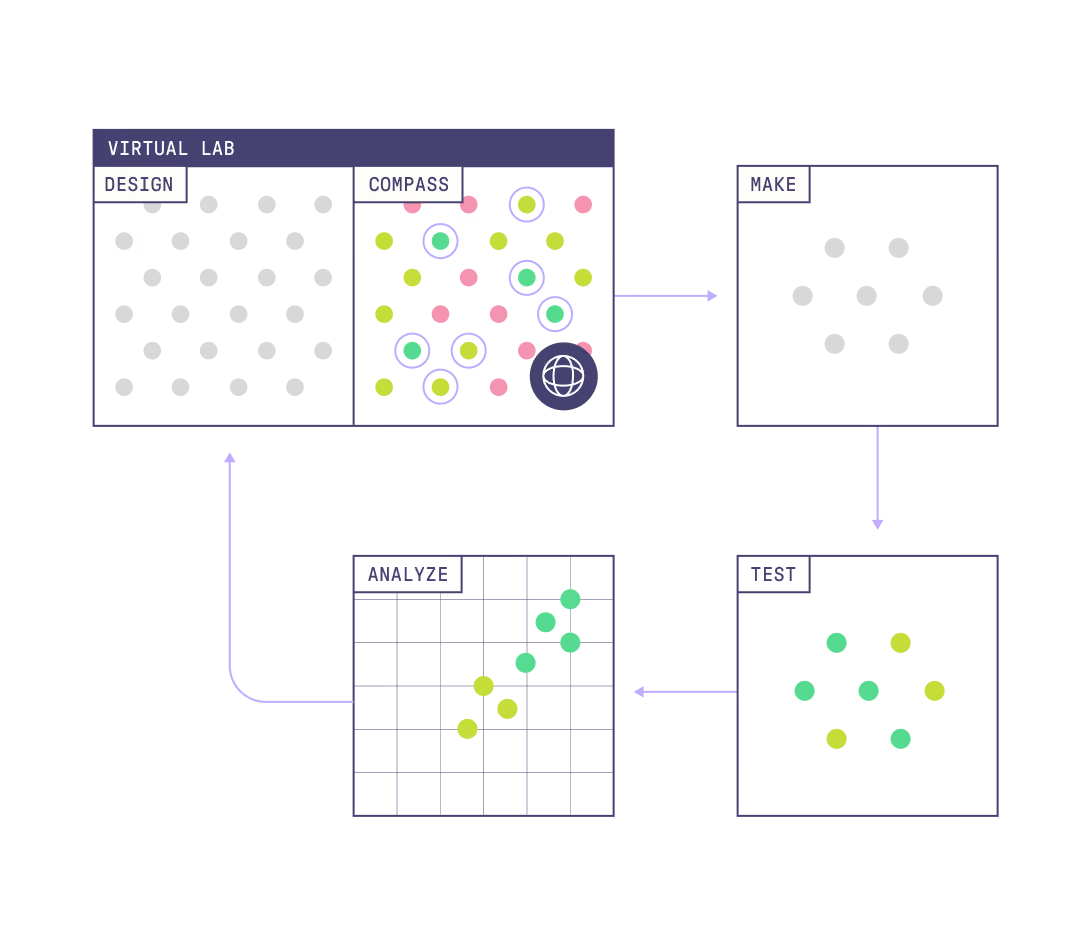
Test ideas in a virtual lab before prioritizing for synthesis
Identify your most promising designs in Compass’ virtual lab before investing actual synthetic resources. Compass puts thousands of compounds through the virtual lab each design cycle, predicting the ADMET and PK properties that drive exposure, and FEP or co-folding to assess potency. These individual competing parameters are integrated into human dose estimates, using industry-leading methods, to serve as the ultimate optimization metric to guide your program.
Discovery teams use Compass to navigate to the highest quality designs while deprioritizing compounds unlikely to be viable drugs.
[how it works]
Designed for your program and your team
Pre-competitive ADMET Consortium
Inductive’s models are powered by our rapidly expanding pre-competitive ADMET consortium, consisting of proprietary industry data, in-house data, and curated public data.
Up to date
Models are retrained weekly to learn the latest SAR from your program and QA/QC’d by an expert to ensure reliability and utility.
Fine-tuned
Models are fine-tuned to your program’s unique chemical space and assay protocols.
Integrated
Models are integrated seamlessly into the tools you already use via REST API and MCP.
[evidence]
Validated state-of-the-art: First place in three consecutive blind benchmarking challenges
The models behind Compass took first in OpenADMET’s 2025 challenge with ASAP Discovery, in the 2026 ExpansionRx challenge (9 endpoints, 2,250 compounds, 370+ submissions), and in the 2026 blind PXR induction challenge (350+ entries). They are pre-trained on ADMET data pooled from across the industry, which is the part no single program’s data can substitute for.
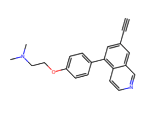
2026 ExpansionRx–OpenADMET Blind Challenge
01

02


03

370+ others
R²
0.637 ± 0.010
Spearman R
0.793 ± 0.006

MAE-RAE
0.511 ± 0.007
Kendall's Tau
0.621 ± 0.006
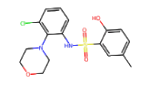
2026 OpenADMET Predicting PXR Induction Blind Challenge
01
13

19

350+ others
R²
0.598 ± 0.063
Spearman R
0.827 ± 0.028
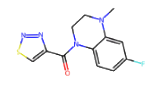
Mean Absolute Error
0.406 ± 0.028
RAE
0.563 ± 0.034
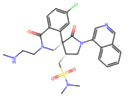
2025 ASAP-Polaris-OpenADMET Antiviral Blind Challenge
01
02
%201.svg)
30+ others
R²
0.623 ± 0.053
Pearson R
0.802 ± 0.030
Mean Absolute Error
0.224 ± 0.009
Mean Squared Error
0.104 ± 0.009
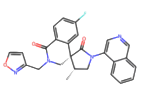

Nested Therapeutics used Compass to rapidly nominate a development candidate with optimal projected human dose, resolving persistent permeability and metabolic stability issues in their lead series. As published in ACS Medicinal Chemistry Letters, the models moved the series past a compound that would have needed four times the target dose, to one that met the desired projected human dose.
Discover higher-quality candidates in fewer cycles